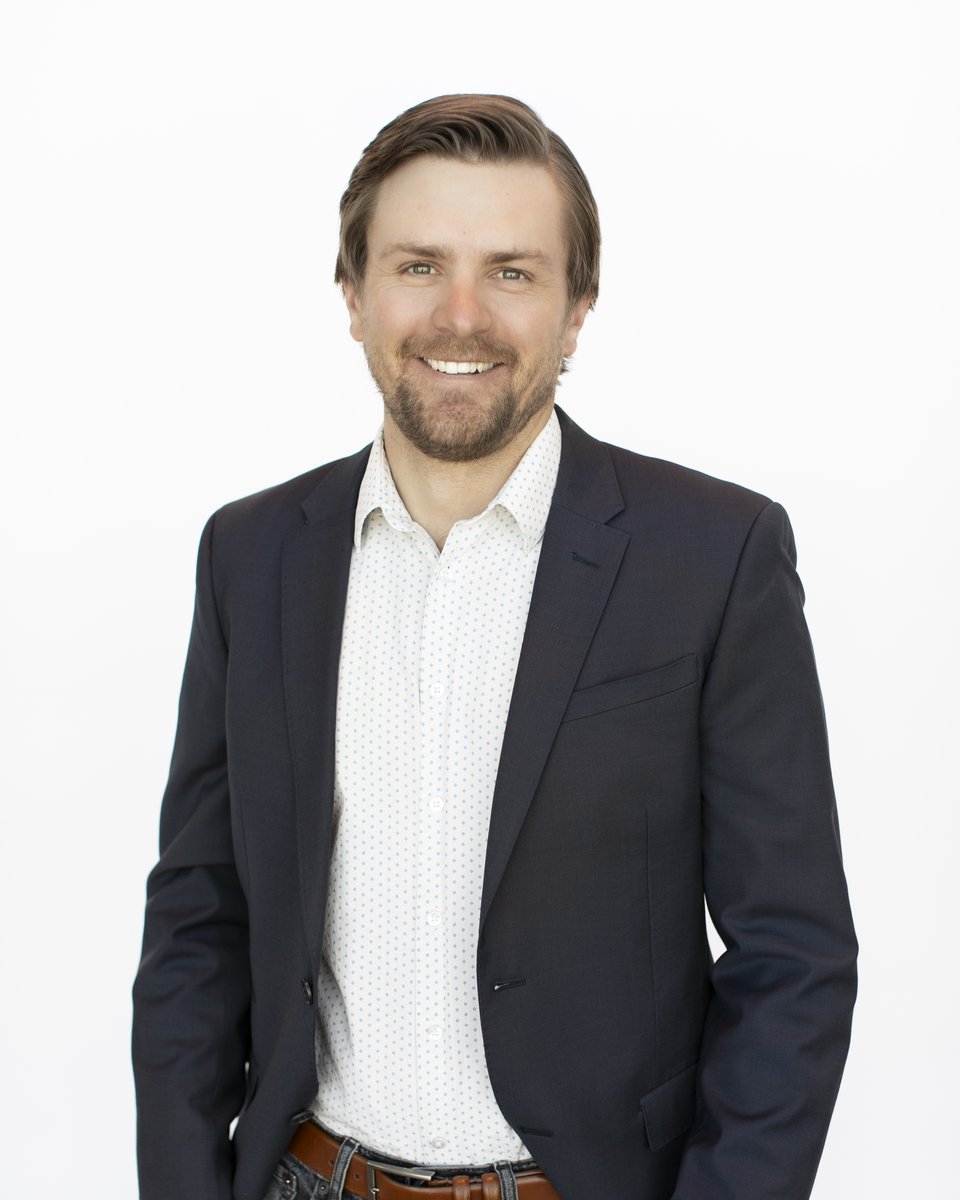
The retreat is only as good as the people holding the room. These are who are in the room with your team.
Scott founded Alpine Executive Retreats to bring senior, hands-on facilitation to executive teams navigating consequential moments — the transitions, tensions, and decisions that determine whether a team continues to function as one.
His career began in audit at a public accounting firm, followed by bookkeeping and controller engagements at a fractional accounting practice. That technical foundation gave way to operating roles: building finance and operations from the ground up at venture-backed startups, leading multi-entity consolidation and ERP implementation at a national consumer brand, and now overseeing finance and accounting across a portfolio of healthcare companies inside private capital.
That trajectory — operator, then investor — is unusual. It also matters here. Executives being coached by former coaches learn theory. Executives being facilitated by someone who has sat in their seat, closed the same books, made the same board asks, and defended the same decisions, get something else. The work is not academic.
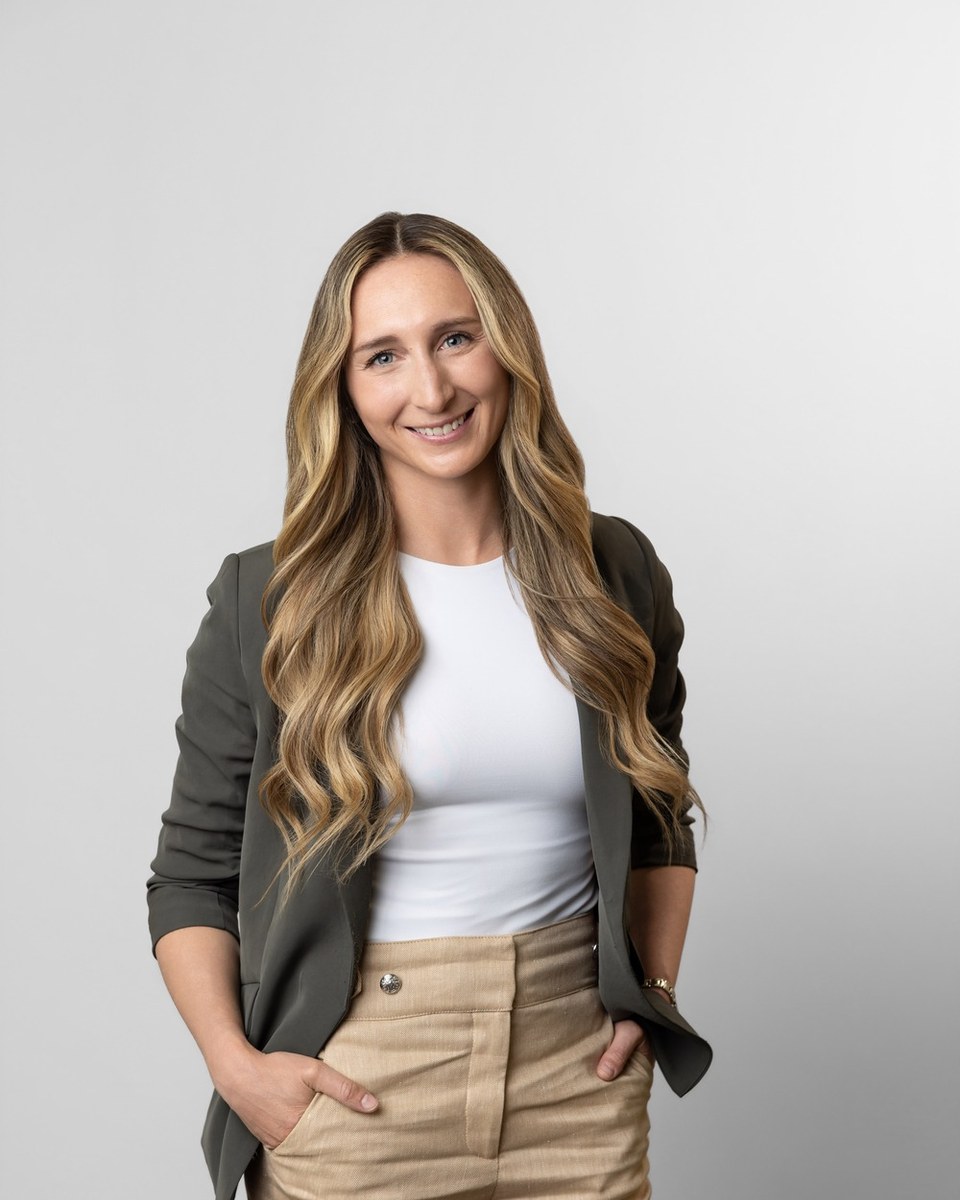
Sarah joined Alpine Executive Retreats to bring the perspective of a sitting operator to the retreat room. She currently leads a medical device and pharmaceutical testing company as President and CEO, working directly with clients across the medical device, pharmaceutical, and life sciences industries.
Her career has taken an unusual path. She began in professional sports, moved into advertising and marketing, and then found her way into healthcare — first in packaging and compliance, then into senior operating roles. The result is a range of vocabularies most facilitators never develop: how a locker room operates, how a creative team functions, and how a technical services company runs at scale.
In her current role, she led the acquisition and turnaround of a struggling business — bringing it from negative EBITDA to profitability within three months. What she is proudest of is not the financial turn but what produced it: the deliberate rebuilding of trust with a team that had stopped believing anyone was listening. That is the work executive teams need most and get least. It is also the work these retreats exist to produce.
The facilitator's job is to keep the conversation honest, safe, and useful — not to lecture. The team already has the intelligence. What they need is a room where they can use it.
Executive teams are experts in avoidance. The facilitator's role is to say aloud what everyone in the room already knows — the pattern, the elephant, the missed conversation — without judgment and without letting it slide.
Real openness cannot be forced. Every participant chooses how much to share. The environment is designed to make honesty easier — not mandatory.
The team is here to become more capable, not more introspective. Emotional clarity is a means to sharper decisions, better accountability, and a leadership team that can actually execute.
Scott and Sarah live in Park City together, and the mountains are how they both stay grounded. Between them: cross-country ski racing, backcountry touring, trail running, mountain biking, sailing, and fly fishing. An endurance athletics background including the American Birkebeiner and trail ultramarathons.
The discipline that produces good athletes and the discipline that produces good operators turn out to be the same discipline. It is also why the retreat is designed around a shared physical experience. What executives learn about themselves on a long trail conversation, or a difficult ski tour, is not incidental to the work of the retreat. It is part of it.
That the practice happens in Park City is not marketing. It is the environment they have been operating in for years.
Every inquiry is reviewed personally. We respond within two business days, typically with a request to schedule a confidential conversation with the CEO before anything is proposed.